


Lab-Grown Diamonds · Lifetime Warranty
Engagement Rings
Each ring is accompanied by a written, insurance-grade appraisal at retail replacement value.


Classic Prong Set Engagement Ring
0.5ct · Marquise
$1,499.00

Prong Set Emerald Cut Hidden Halo Engagement Ring
Engagement Rings
$1,449.00
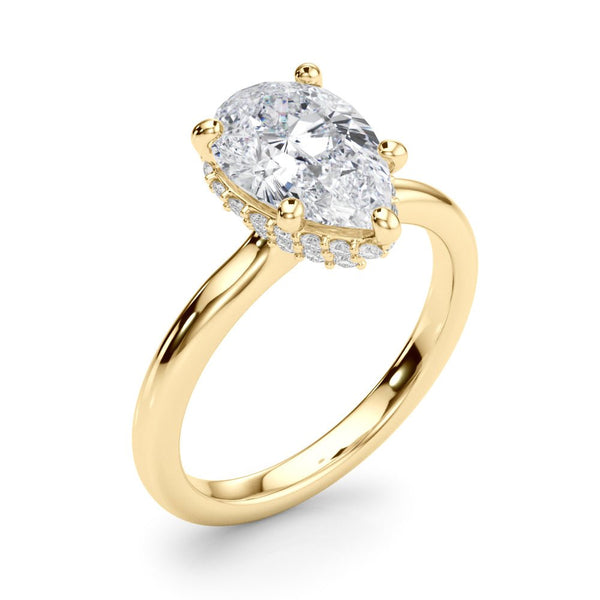
Double Hidden Halo Pear Engagement Ring
Engagement Rings
$1,599.00
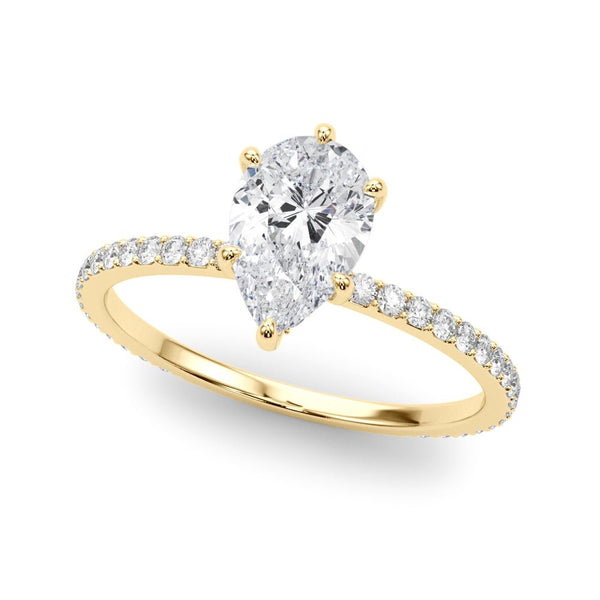
Hidden Halo Pear Shape Engagement Ring 0.35ct
Engagement Rings
$1,299.00
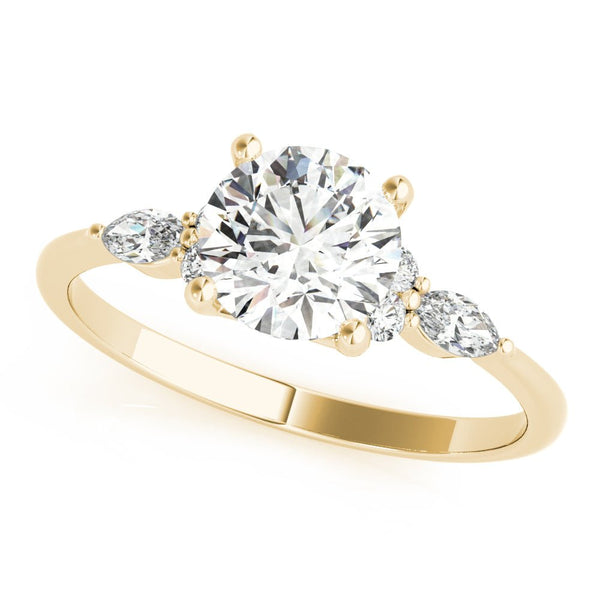
Marquise & Round Accented Engagement Ring 0.40ct
Engagement Rings
$1,599.00
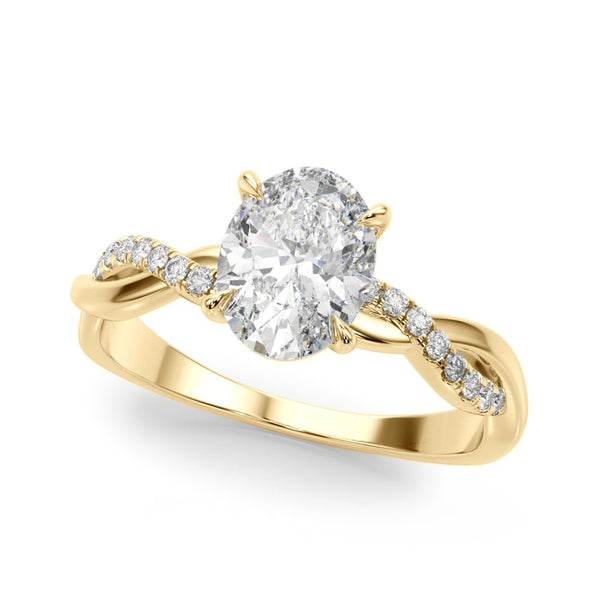
Twisted Vine Lab Diamond Engagement Ring
Engagement Rings
$1,299.00
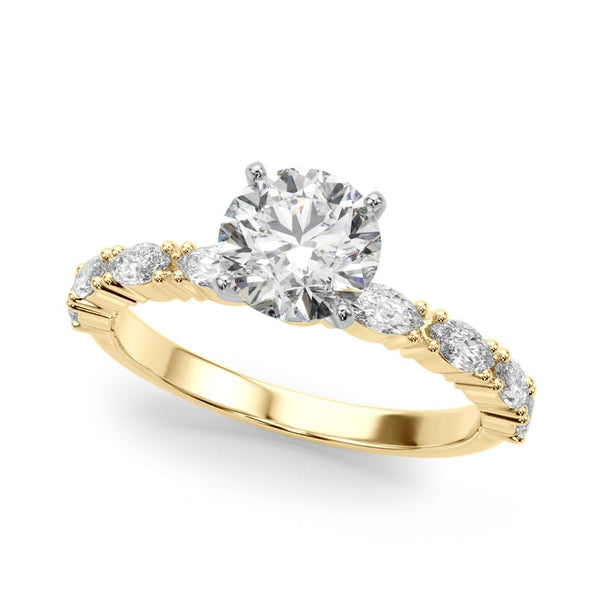
Marquise Diamond Engagement Ring
Engagement Rings
$1,499.00
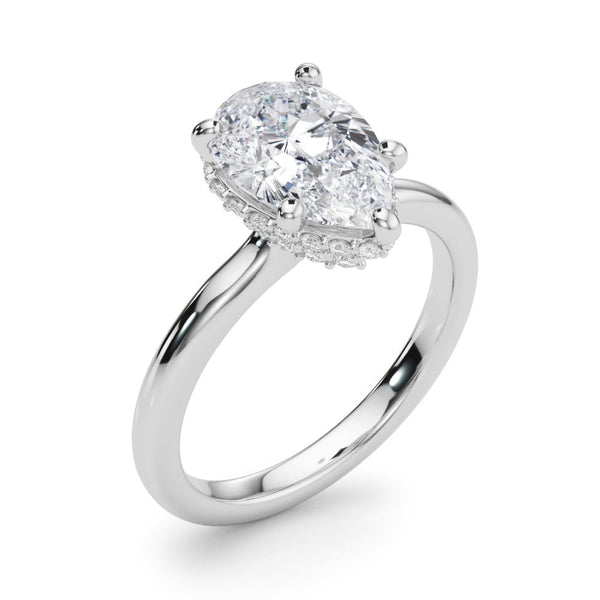
Underhalo Pear Engagement Ring 0.25ct
Engagement Rings
$1,299.00
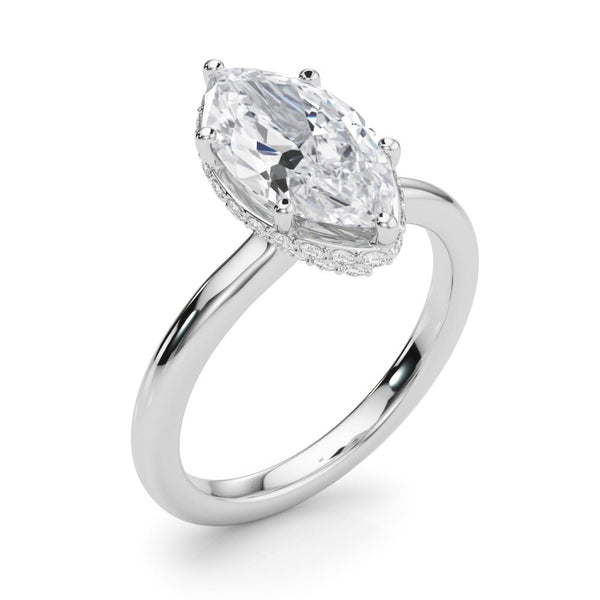
Underhalo Engagement Ring 0.20ct
Engagement Rings
$1,299.00
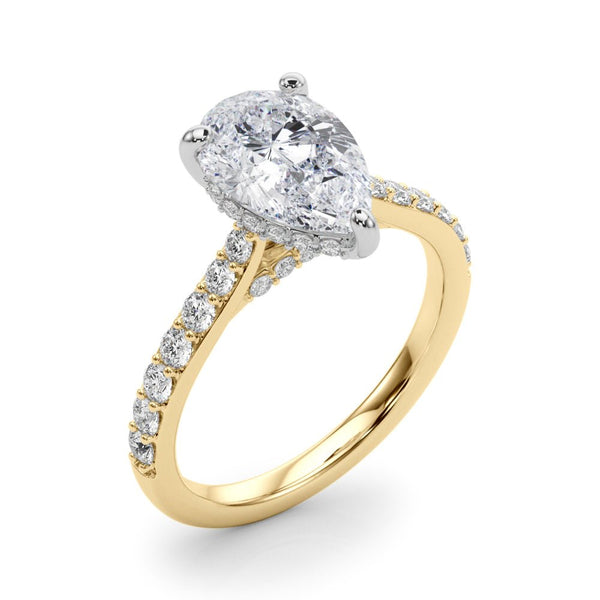
Underhalo Engagement Ring 0.65ct
Engagement Rings
$1,449.00
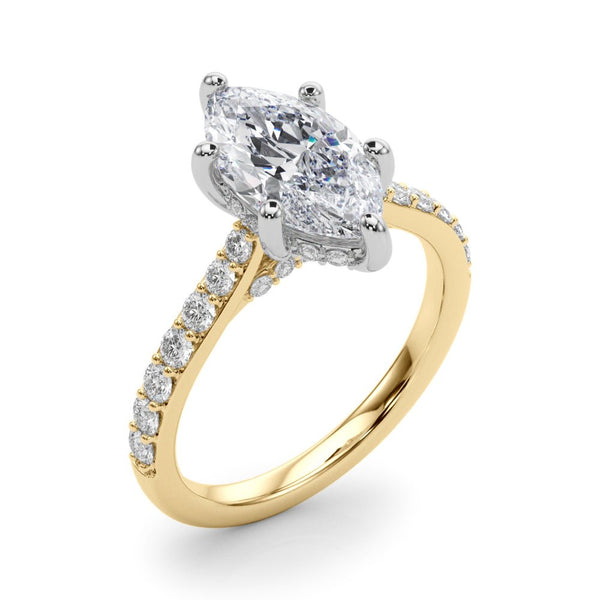
Underhalo Engagement Ring 0.65ct
Engagement Rings
$1,449.00

The Toi Et Moi Ring 2ct
Engagement Rings
$1,699.00
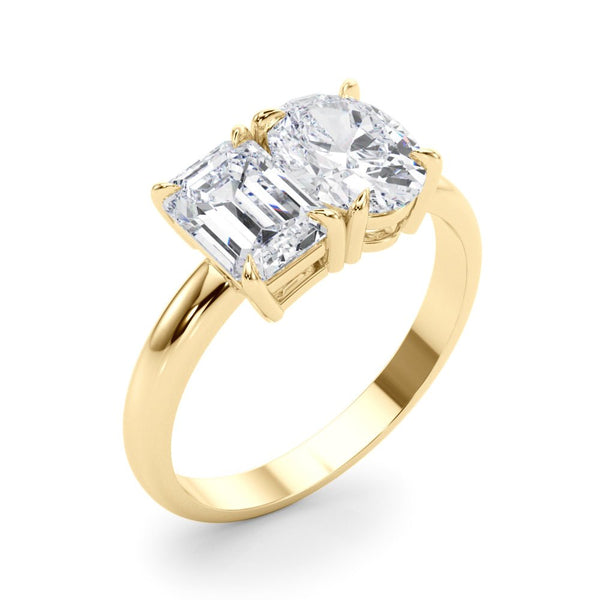
The Toi Et Moi Ring 3ct
Engagement Rings
$1,999.00
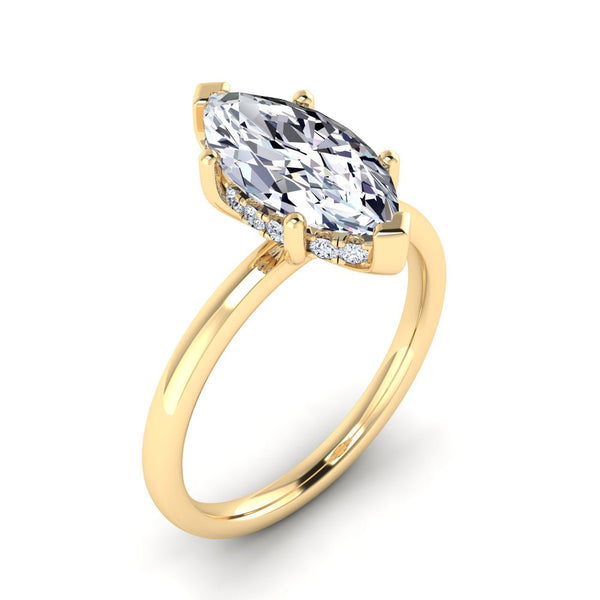
Underhalo Engagement Ring
0.25ct · Round
$1,339.00
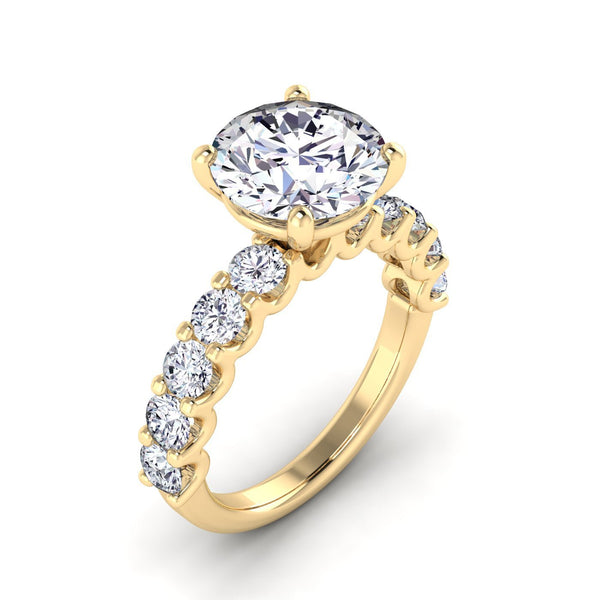
U Prong Diamond Band Engagement Ring – Style GL0248
Engagement Rings
$1,349.00
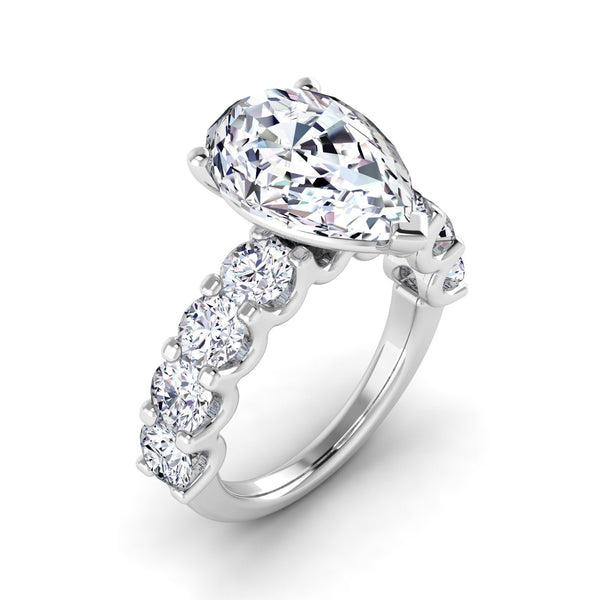
U Prong Engagement Ring Pear
Engagement Rings
$1,999.00
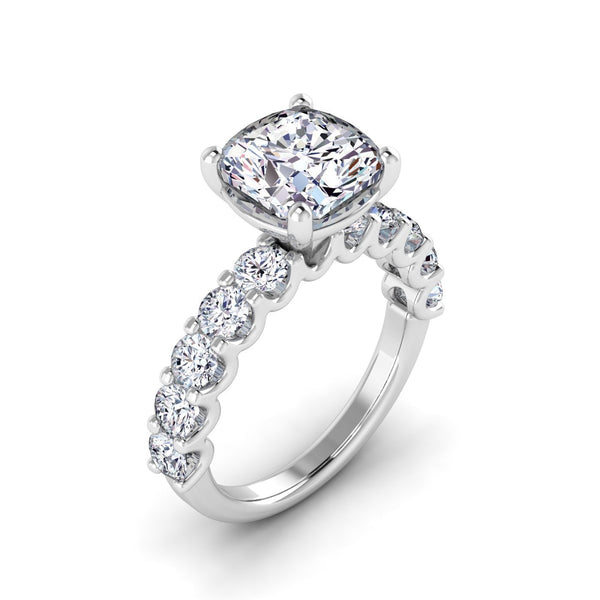
U Prong Diamond Band Engagement Ring – Style GL0323
Engagement Rings
$1,499.00
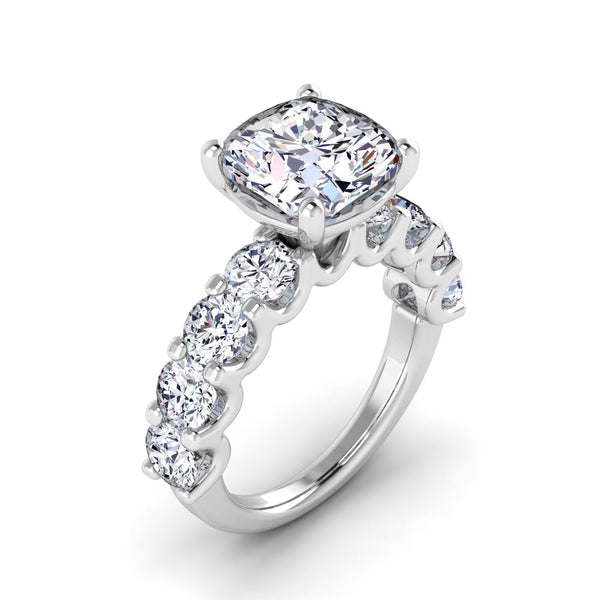
U Prong Engagement Ring with 4mm Diamond Band – Style GL0318
2.0ct
$1,999.00
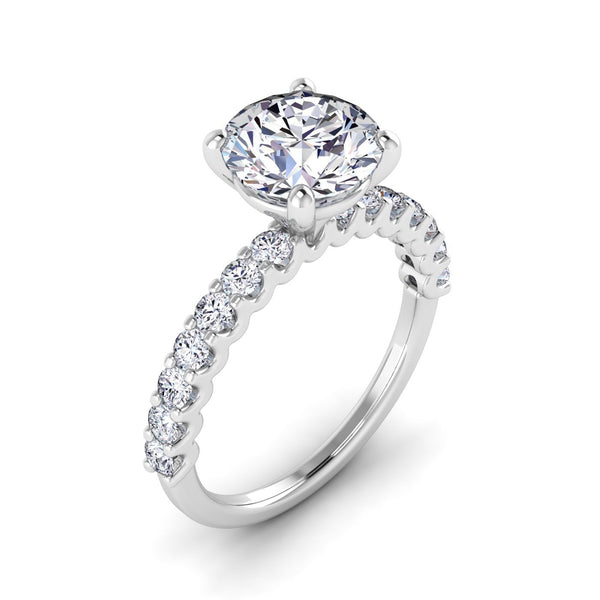
Petite U Prong Engagement Ring
0.45ct · Round
$1,289.00
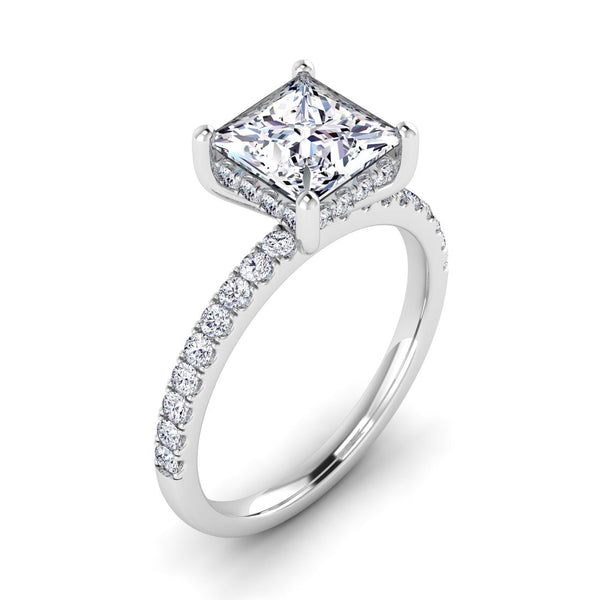
Under Halo Engagement Ring
Engagement Rings
$1,500.00
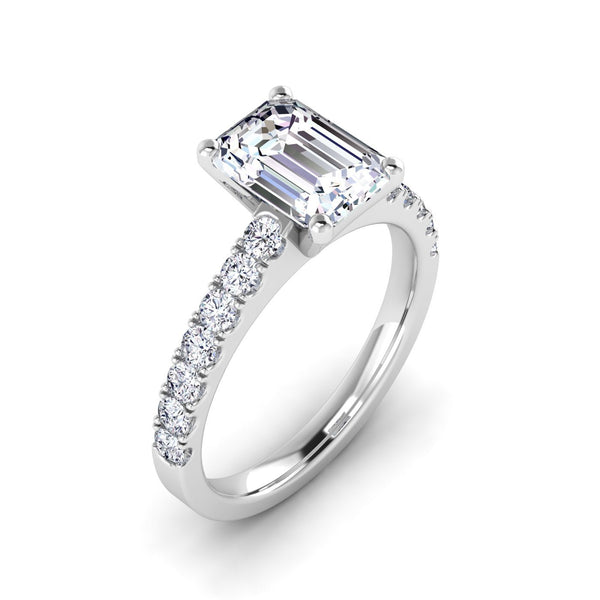
Engagement Ring
Engagement Rings
$1,500.00
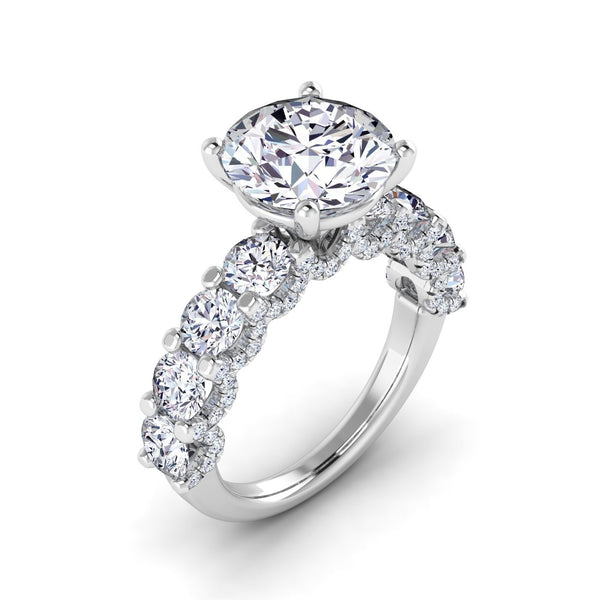
U-Prong Diamond Band Engagement Ring – Style GL0242
Engagement Rings
$2,500.00
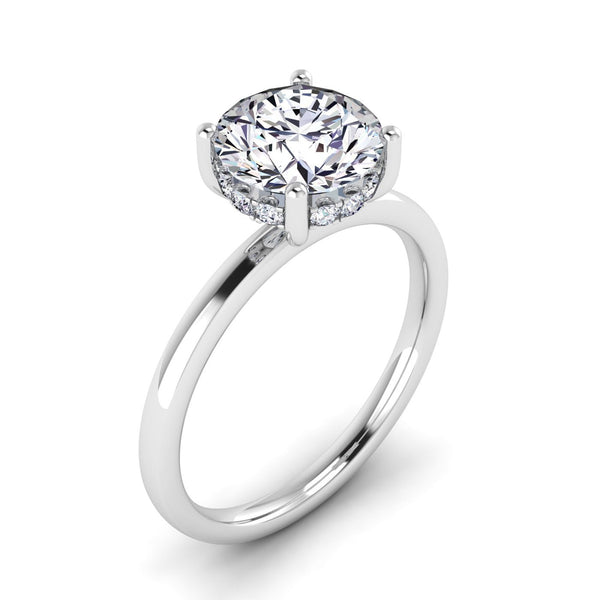
Solitaire Engagement Ring
Engagement Rings
$1,000.00
Buying Guide
A guide to choosing an engagement ring.
From the 4Cs to choosing a setting, here's what every couple should know before committing to a piece they'll wear forever.
What is a lab-grown diamond? +
A laboratory-grown diamond has the same chemical, optical, and physical properties as a mined diamond — it is a real diamond, created in weeks instead of formed over billions of years. Every diamond Gallo sells is lab-grown, and we always say so.
Which setting should I choose? +
A solitaire keeps all the attention on the center stone. A hidden halo or underhalo adds a ring of small diamonds under the center that you see from the side. A U-prong band sets diamonds partway down the band for more sparkle. Come try them on in our Wayne showroom.
How long does a custom ring take? +
Custom pieces are typically finished in approximately three weeks from final approval of the CAD render. Complex pieces may take longer; we'll give you an exact timeline at your consultation.
What does GIA & IGI certification mean? +
The Gemological Institute of America (GIA) and the International Gemological Institute (IGI) grade diamonds for cut, color, clarity, and carat weight. Diamonds with an IGI or GIA report list the report number; other pieces say Certification: Non-certified. Every loose diamond in our diamond search has an IGI or GIA report, traceable to the issuing laboratory.
Natural vs. laboratory-grown diamonds +
Laboratory-grown diamonds share identical chemical, optical, and physical properties to natural diamonds. The only difference is origin: a natural diamond formed over billions of years; a laboratory-grown diamond is created in weeks under the same temperature and pressure conditions. Both are real diamonds.